
Challenge
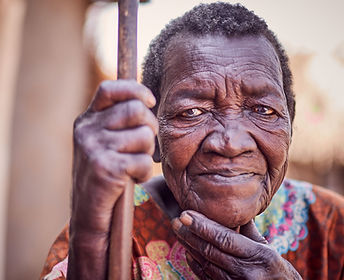
For widows in Uganda, land is life. It provides food, shelter, income, savings, and social standing. But when a husband dies, violent relatives or neighbors—typically male—often take the widow’s land by force. Uganda’s laws clearly criminalize this behavior, but in practice, enforcement is rare.
As a result:
-
1 in 3 widows loses her land.
-
20% of land thefts involve attempted murder.
-
25% of victims test positive for HIV for the first time within a year.
-
65% begin regularly missing meals and experiencing failing health.
-
20% suffer the death of at least one dependent.
Even women who haven’t yet been attacked are forced to live cautiously. Widows offered new homes often turn them down—afraid improvements will provoke violence.
Solution
Redeem’s work starts when a widow reports that her land has been stolen. First, a Redeem investigator gathers evidence and builds a case. Next, a Redeem attorney partners with police to make an arrest, press charges, and pursue prosecution in court.
After a case concludes, Redeem helps the widow return home and hosts a public restoration ceremony to mark the moment. She may also receive food, shelter, or help starting a small business.
Once the case is resolved, Redeem spreads the word through local leaders and media. This sends a clear message: land theft has consequences.
Last update: 2025
Impact
As of 2025, Redeem has restored 2,015 victims to their land, prosecuted 547 land thieves, and rehabilitated 1,911 survivors.
Redeem seeks not only to restore stolen land, but to deter future thefts, increase safety, and enable widows to invest in their livelihoods and families. Independent surveys in pilot areas show that Redeem’s model works:
-
Land theft rates dropped by 80% in communities served by Redeem's pilot project.
-
In Uganda, plots without theft risk yield 63% more crops—meaning safety translates directly to prosperity.

Looking forward
Land theft is, at its core, an economically motivated crime. People steal land from widows and orphans because it is a highly profitable crime and the risk is low that they will be held accountable for it. As a result, one in three Ugandan widows will have her land stolen from her--and even those who don’t fall victim will live under the constant threat of being torn from their homes.
Every time a land thief is prosecuted, we make it more likely that thieves will be punished for their crimes. Every time a victim is restored, we make it less likely that land thieves will be able to profit from their crimes. And every time we broadcast these results, we amplify the deterrent impact on potential criminals.
Widows and orphans don’t need a handout. Freed from the fear that their property will be stolen from them or will make them a target of violence, these strong, resourceful women and children can—and will—prosper.


